-
+86-13925102900
- quzkoon168@gmail.com
- Quan zhiguang (Guangzhou) Intelligent Technology Co., Ltd.


+86-13925102900
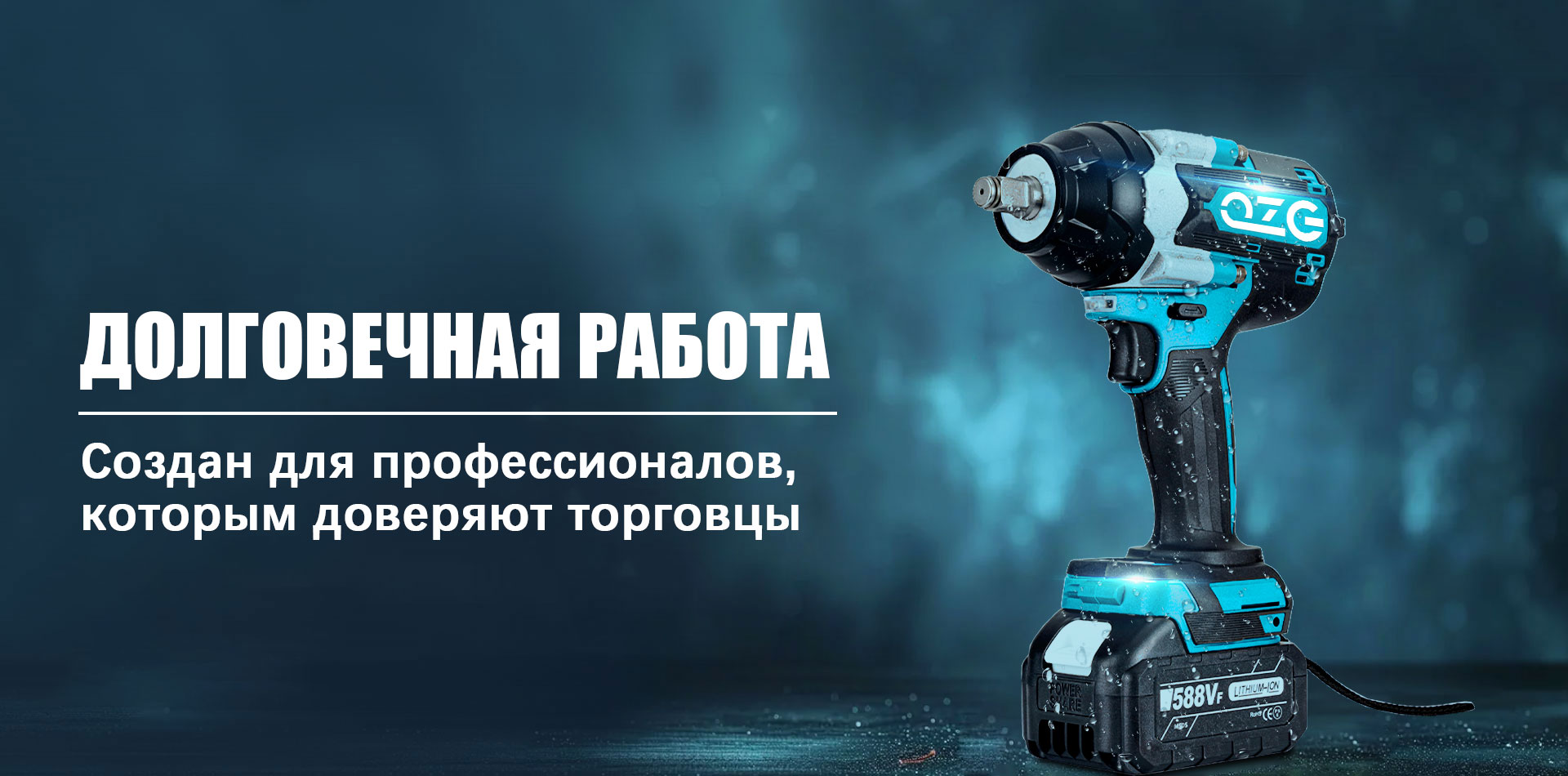
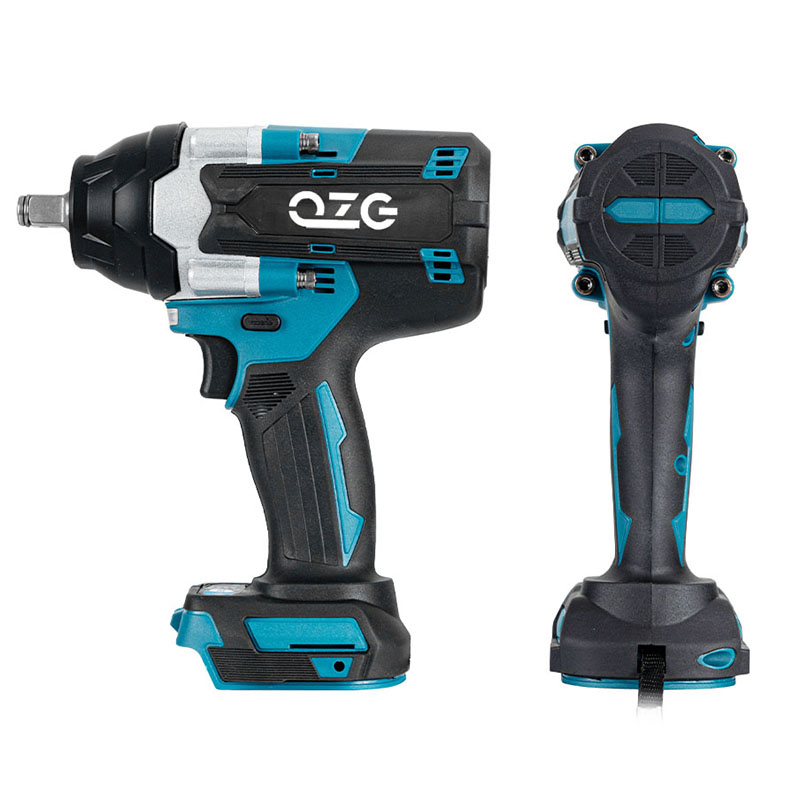
Damaged threads, rusted bolts, broken nuts – these situations are familiar to almost everyone who repairs a home or car. And often the simplest and most effective solution is to usehome electric wrench for repair. But how to choose the right model among the many offers on the market? In this article we will examine in detail all aspects, from types and characteristics to practical tips for use. We will try to speak in simple language, without unnecessary technical terminology, so that everyone can understand.
An electric wrench is a tool designed for tightening and loosening nuts and bolts, powered by electricity or a battery. The main difference from a regular wrench is the automation of the process. You don't need to exert much physical effort to deal with the puff. An electric tool does this for you, which is especially convenient when working with a lot of fasteners or in hard-to-reach places. In addition, the electric wrench allows you to precisely adjust the tightening torque, which is important to prevent damage to threads and other parts.
If you have never used such a tool, then I will say right away: at first it may take some getting used to. It is important to understand that power is not always the main thing. For home needs, a model with medium power is sufficient.
There are several main types of electric wrenches, each of which has its own features and advantages:
This is the most common type. It allows you to accurately set the required tightening torque, which is especially important when working with fragile parts or threads that require special care. The torque is adjusted using a special scale or digital display.
Impact wrenches are designed for tightening and loosening tightly tightened or rusty bolts and nuts. The impact mechanism provides a short but powerful impact that helps overcome resistance.
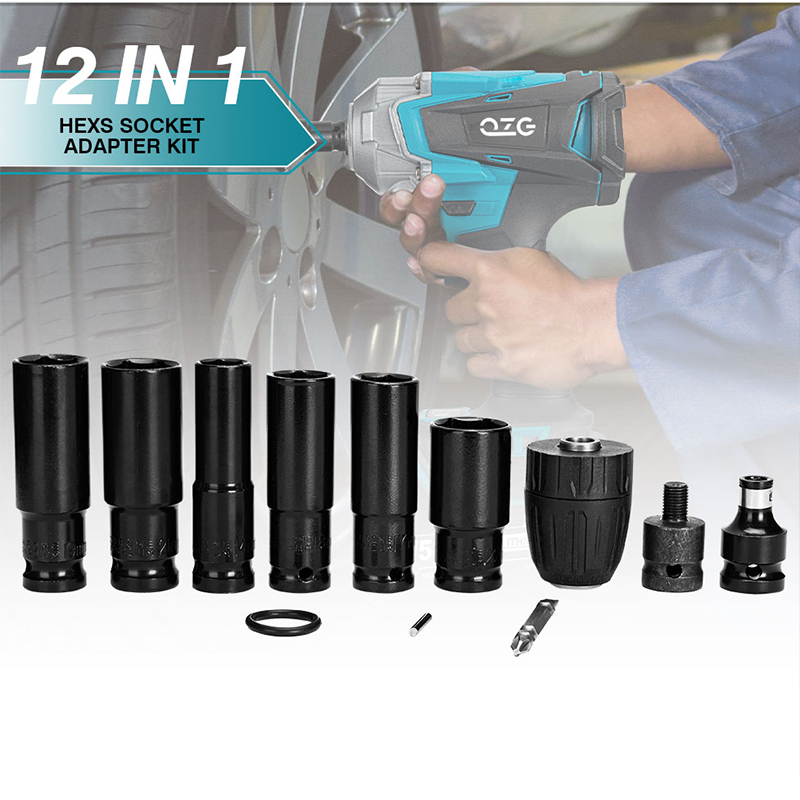
This option is versatile and suitable for a variety of applications, including not only tightening nuts and bolts, but also working with hex-head fasteners. They are usually more compact and lightweight than specialized wrenches.
Choosing the right onehome electric wrench for repairis not just a purchase of a tool, it is an investment in the convenience and efficiency of your future repair work. Here's what you should pay attention to:
Imagine the situation: you want to repair your bicycle. Tightening the wheel nuts with a regular wrench is labor-intensive and requires considerable effort. An electric wrench makes this task much easier. You simply select the desired attachment, set the required tightening torque and - done! The nuts are tightened evenly and with the required force.
Another example: car repair. Tightening engine bolts requires high precision and torque control. Using an electric wrench with adjustable torque prevents damage to threads and other parts.
As a technician, I often come across rusty nuts. In such cases, a clavicle with an impact mechanism is simply irreplaceable! Its powerful impact helps to 'break' the corrosion and the nut comes off without much effort.
To yourhome electric wrench for repairserved you long and reliably, follow these tips:
Despite all the advantages, electric wrenches also have some disadvantages:
But believe me, the convenience and time savings they provide often outweigh these disadvantages. And if you do a lot of repairs, then investing in an electric wrench is a worthwhile expense.