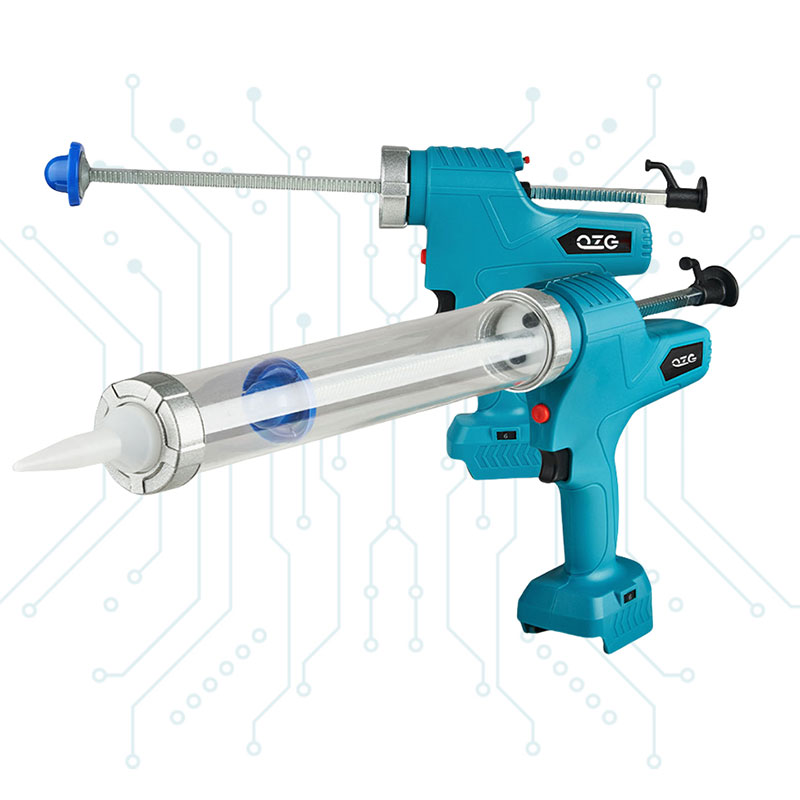
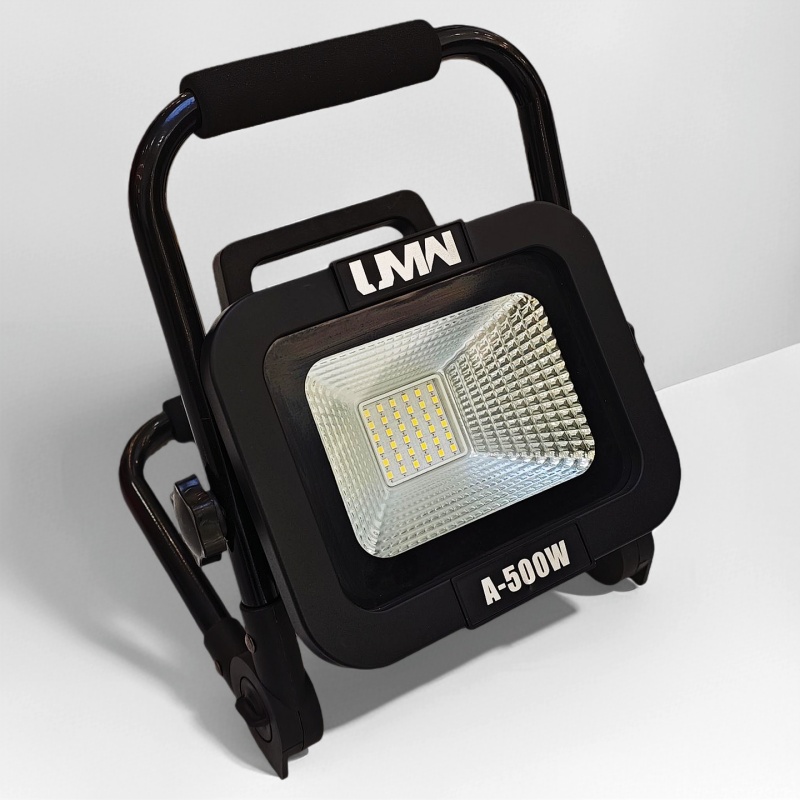
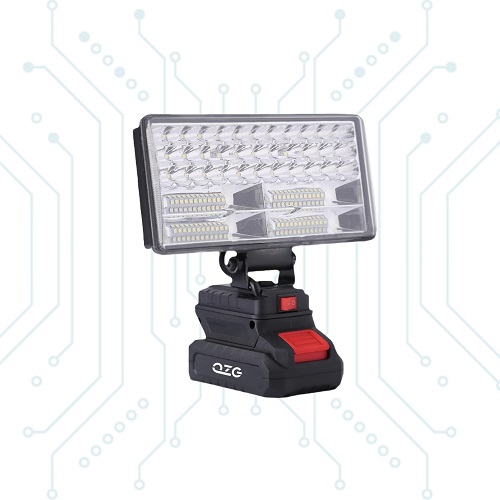
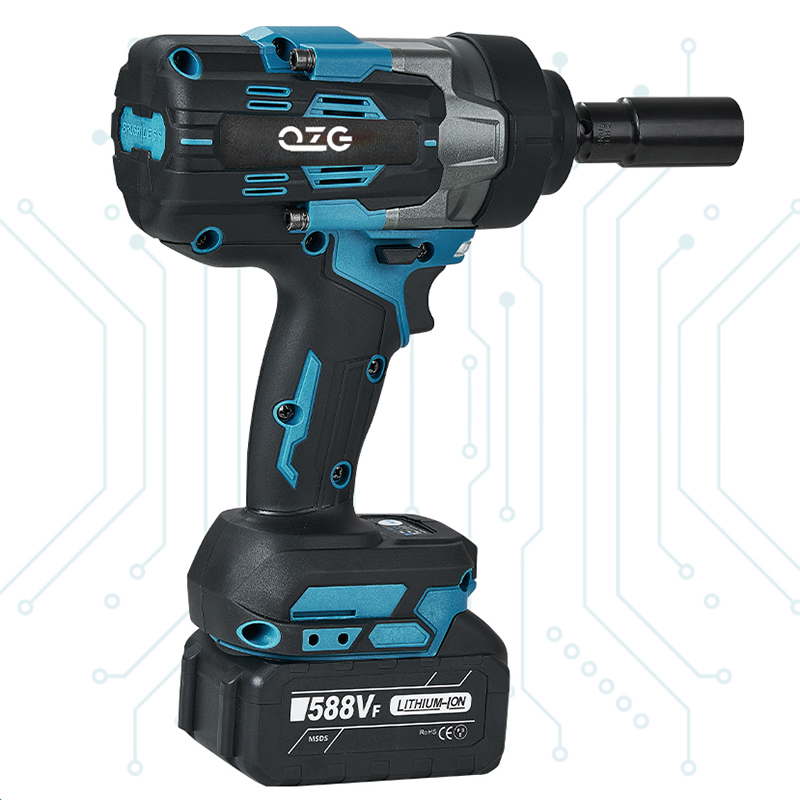
Lubrication is more than just spilling oil. This is a whole science, but the right choiceequipment lubrication toolsdirectly impacts its longevity, efficiency and ultimately your bottom line. An incorrectly selected tool can lead to premature wear, breakdowns and costly repairs. In this article we will take a detailed look at the different types of tools, the factors influencing the choice, and give practical recommendations for their use. Get ready to dive into the world of lubrication!
Why lubrication is needed and why the choice of tools is important
Before we talk about tools, it is important to understand why lubrication is needed in the first place. It reduces friction between moving parts, reduces wear, dissipates heat, protects against corrosion and increases equipment life. And, oddly enough, the lubrication process itself requires certain tools. You can't just 'pour' oil. You need to apply it correctly, reach hard-to-reach places and make sure that the lubricant is distributed evenly. And this is where variousequipment lubrication tools.
Let's look at an example: let's take a bearing in a motor. Without lubrication, it will quickly overheat and break. And to properly lubricate it, you will need a special tool - a bearing lubricant. Instead of relying on general advice, using the right tool is a matter of efficiency and economy.
Types of equipment lubrication tools: overview
There is a huge varietyequipment lubrication tools, and the choice depends on the type of equipment, type of lubricant and operating conditions. Here are the main categories:
Manual lubricators
This is the simplest and most accessible type of tools. Includes:
- Lubricants (lubricants):A classic tool for applying oil to bearings, rails and other parts. They come in different types: with different nozzles, with adjustable flow. Disadvantage: it is difficult to control the amount of lubricant.
- Pulverizers (sprays):Ideal for applying lubricant to large areas or hard to reach areas. Easy to use, but may spray too much lubricant. Pay attention to the quality of the spray - it should be uniform and fine.
- Lubricating balls:For lubrication of small bearings and mechanisms. Easy to use, but not suitable for large surfaces.
Mechanical Lubricants
These tools provide more precise and controlled lubrication application:
- Automatic bearing lubricators:Suitable for permanent lubrication of bearings in equipment. They work according to a given schedule, automatically supplying lubricant. Reduces the need for manual lubrication and increases bearing life. Choose models with adjustable lubricant quantity and the ability to set lubrication intervals.
- Centrifugal lubricants:For lubrication of large mechanisms that require uniform application of lubricant. Effective for lubricating conveyor rails, shafts and other extended parts. It is important to choose the right model taking into account the rotation speed of the lubricated part.
Specialized Tools
Designed for lubrication of specific types of equipment:
- Rail lubricants:For lubrication of conveyor rails and other extended parts.
- Roller lubricants:For lubrication of conveyor rollers and other mechanisms.
- Gear Lubrication Tools:Special devices for applying lubricant to gears, ensuring uniform distribution of lubricant over the entire surface.
What to look for when choosing equipment lubrication tools
Choiceequipment lubrication tools– this is not a random process. It is important to consider several factors:
- Equipment type:Different types of equipment require different tools. For example, one tool is needed to lubricate bearings, and another is needed to lubricate gears.
- Lubricant type:Some tools are only suitable for certain types of lubrication. For example, air sprays are not suitable for applying oil.
- Operating conditions:In harsh operating conditions (high temperatures, aggressive environments), a more durable and reliable tool is needed.
- Lubricant application accuracy:The more precise the lubricant is applied, the more effective the equipment will be protected.
- Ease of use:The tool should be easy to use and not require special skills.
For example, if you need to lubricate bearings in high humidity conditions, you may want to consider a sealed lubricant to prevent moisture from getting inside. And if you need to lubricate large surfaces, it is better to use a spray bottle with adjustable spray.
The best brands of equipment lubrication tools: reviews and recommendations
There are many manufacturers on the marketequipment lubrication tools. Here are some of the most famous and trusted brands:
- Quanzhiguang (Guangzhou) Intelligent Technology Co., Ltd.: This manufacturer offers a wide range of lubrication equipment, including automatic lubricators, bearing lubricators and other tools. (https://www.gzqzg.ru/) They are known for their quality and reliability. In their line you can find both budget and professional models.
- Lubricon: Well-known manufacturer of lubrication equipment for various industries. Their instruments are highly accurate and reliable.
- Skf: Another well-known manufacturer of lubrication equipment, offering a wide selection of tools for lubricating bearings and other parts.
- Parker Hannifin: Offers a wide range of lubrication solutions including automatic lubricators and lubrication systems.
It is important to read customer reviews before purchasing a tool. Pay attention to tool life, quality of materials and ease of use.
Recommendations for using tools for lubricating equipment
Correct operationequipment lubrication tools– the key to their durability and reliable operation. Here are some simple rules:
- Clean the instrument regularly to remove dirt.
- Do not use the tool to lubricate unsuitable types of lubricant.
- Follow the operating instructions for the tool.
- Check the condition of the tool regularly and have it repaired in a timely manner.
For example, use a special solvent to clean the oiler. For an atomizer, check the condition of the nozzle regularly. And for an automatic bearing lubricator, monitor the lubricant level and replenish it promptly.