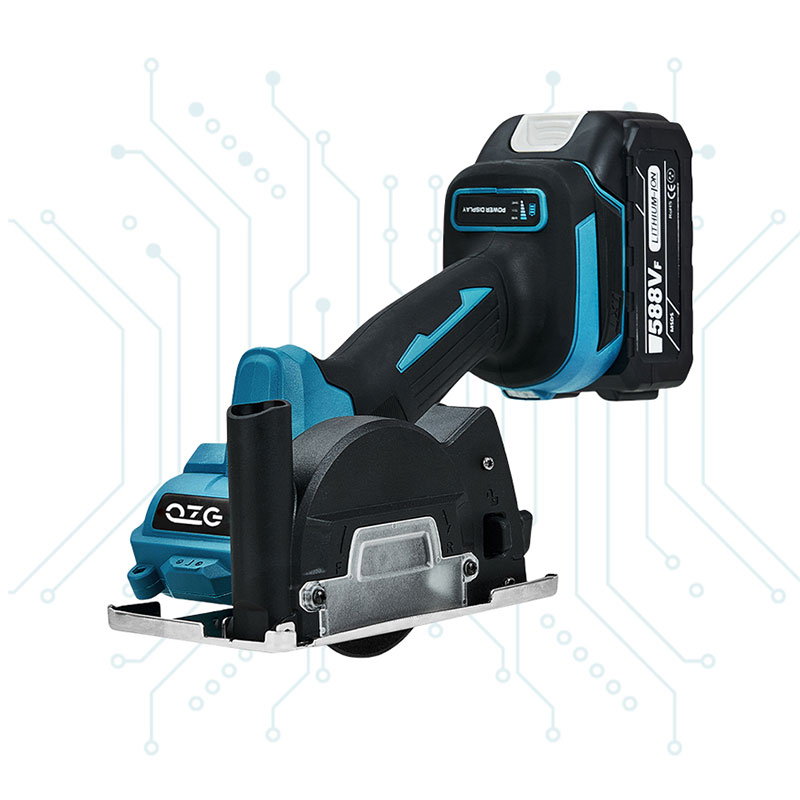
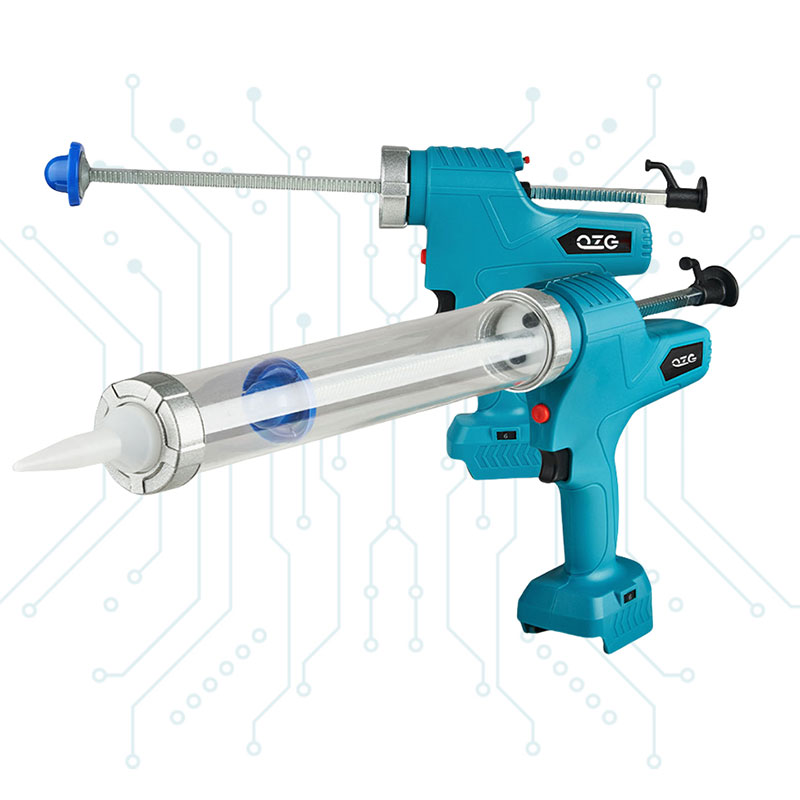
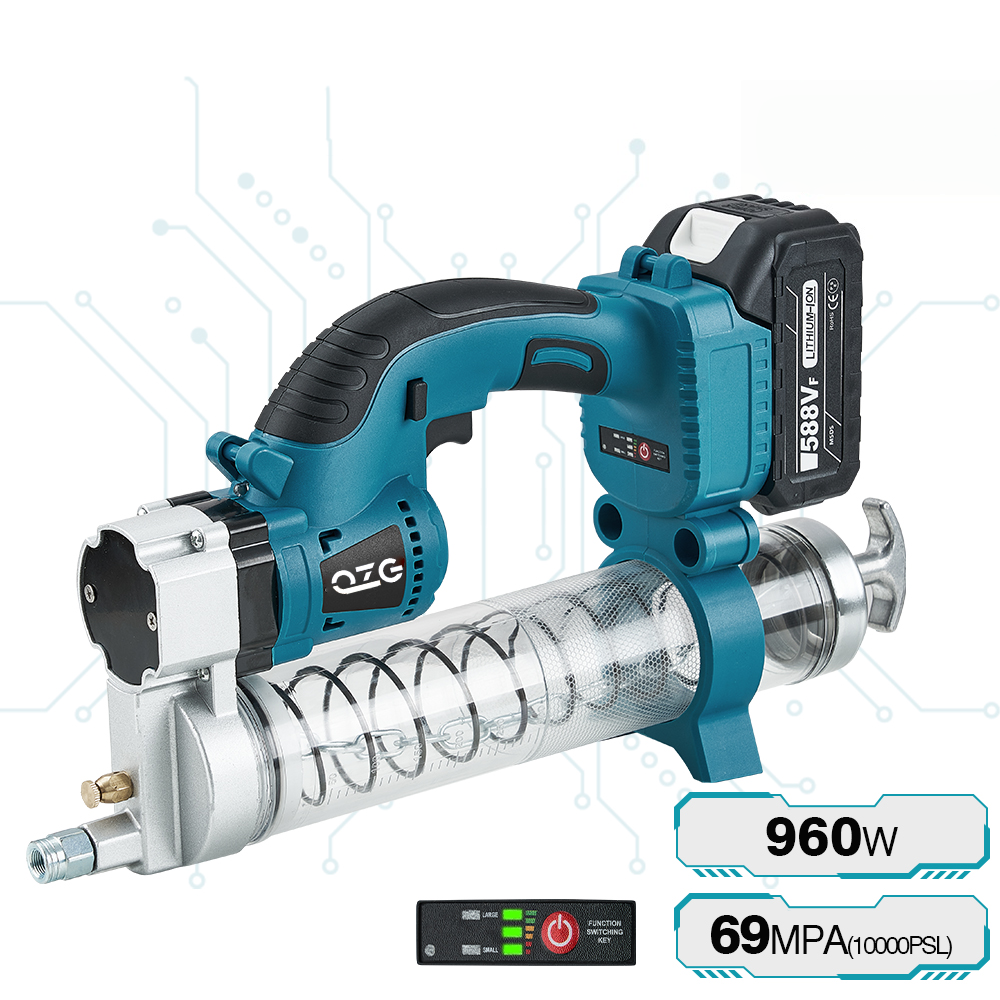
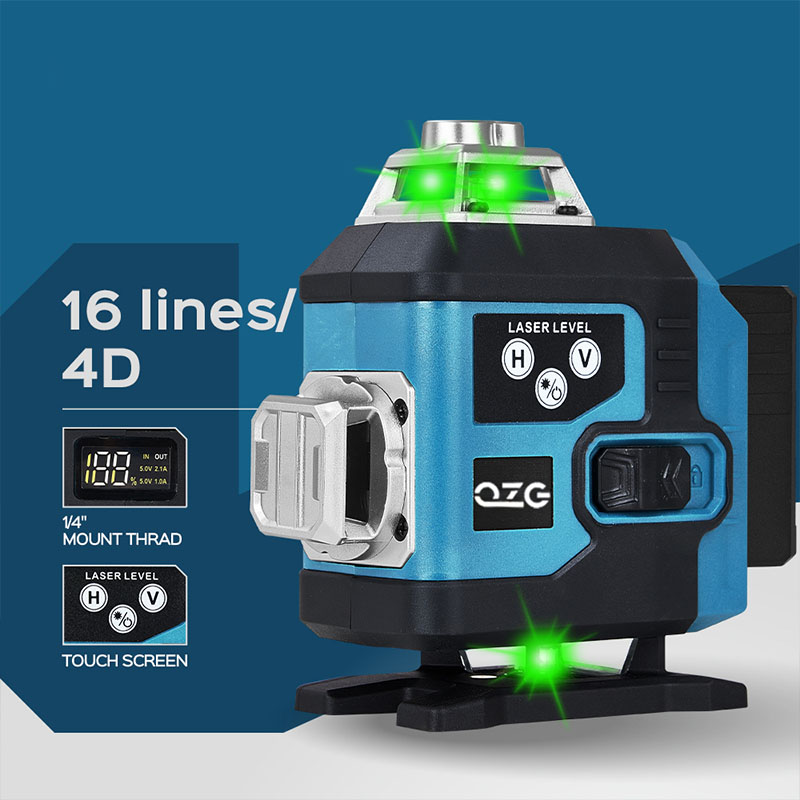
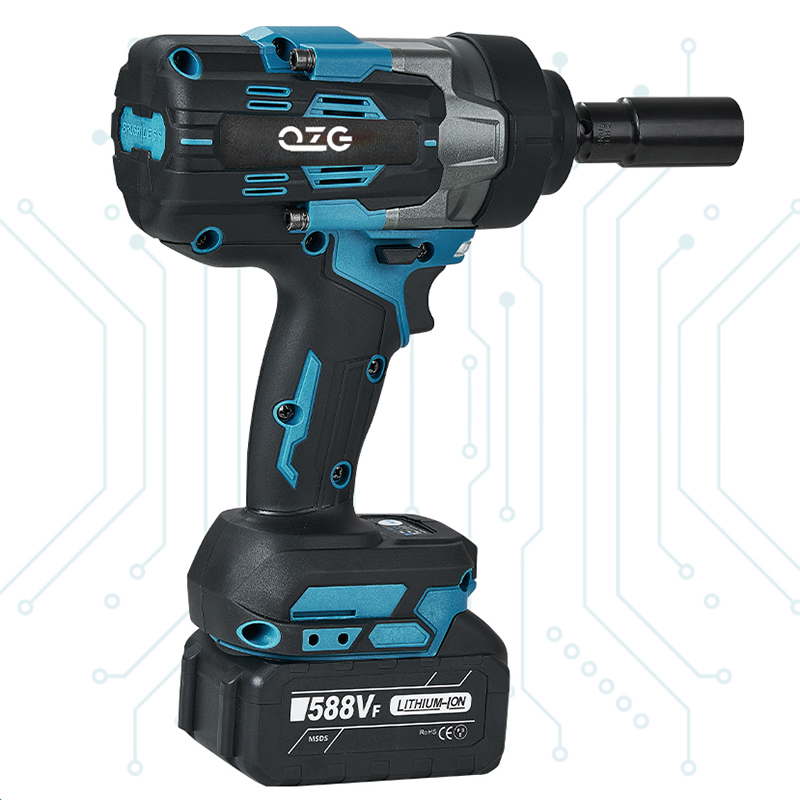
Sometimes, when a job requires speed and mobility, traditional tools simply won't cut it. This is where it comes to the rescuepowerful cordless rivet gun. This is no longer just a convenient gadget, but a full-fledged assistant for professionals and amateurs who value efficiency and ergonomics. In this article we will look at what a cordless rivet gun is, why it is needed, what to look for when choosing, and in what tasks it is especially useful. Let's try to figure out whether it's worth switching to wireless technologies and what advantages they provide.
Why do you need a cordless rivet gun? Key Benefits
If you work with automotive parts, furniture, plastic, or assemble structures from various materials, then you understand how important it is to quickly and reliably connect elements. Traditional tabletop rivet guns take up a lot of space, require a network connection and are not always easy to use. Wireless models solve these problems:
- Mobility:Work anywhere, without wires or restrictions. This is especially important when working on the road, in a warehouse or in limited space. Imagine that you need to rivet car trim in the cold - it would be unrealistic with a wire gun!
- Speed:Cordless guns are generally faster than corded guns, which greatly speeds up the assembly process. Many models support high riveting speeds, allowing you to work with a large volume of parts.
- Ergonomics:Compact and lightweight design reduces fatigue during long periods of work. Many models have comfortable handles and rubber grips for better grip. It is important that the gun fits comfortably in your hand, otherwise the work will turn into torture.
- Independence from the power grid:No more searching for an outlet or carrying an extension cord. This is especially convenient when away from power sources.
Let me give you an example: I recently worked with an automotive parts supplier. We used regular tabletop pistols - this took up a lot of time and space in the warehouse. When wireless models were introduced, assembly speed increased significantly, and the workspace became more organized. This directly impacted productivity and consequently profits.
What types of cordless rivet guns are there? Types and characteristics
Cordless rivet guns are divided into several types, depending on the type of rivets they use and the power. The most common:
Types of rivets
There are many types of rivets, but the most commonly used are:
- Universal rivets:Suitable for a wide range of materials such as metal, plastic, wood.
- Metal rivets:Used to connect metal parts.
- Plastic rivets:Used to connect plastic parts.
- Stainless steel rivets:Used to connect parts that are exposed to moisture or corrosion.
Types of Cordless Guns
In addition to the type of rivets, guns differ in power and type of power supply. Main characteristics worth paying attention to:
- Power type:Battery (lithium-ion) or AC adapter. Wireless models are battery-powered, allowing for mobility. Networked models are more powerful, but are limited by wires.
- Power:The power of the gun affects the ability to rivet rivets of different sizes and thicknesses. The higher the power, the better.
- Rivet speed:Determines how many rivets the gun can rivet per minute. The higher the speed, the faster the work gets done.
- Availability of rivet force adjustment:Allows you to adjust the gun to different materials and types of rivets. Very useful feature!
- Ammo type:Some guns use special rivet cartridges to make the threading process easier and provide a more secure hold.
For example, Quanzhiguang (Guangzhou) Intelligent Technology Co., Ltd. pistol. offers models with various characteristics - from compact and lightweight for home use to powerful and reliable for professional tasks. They use lithium-ion batteries and have adjustable rivet force. On their website [https://www.gzqzg.ru/](https://www.gzqzg.ru/) you can find a detailed description of each model and compare their characteristics.
What to look for when choosing a cordless rivet gun
Choosing the right cordless rivet gun is not an easy task. Here are some tips to help you make the right choice:
- Determine what tasks you need the gun for.What materials will you be riveting? What size rivets do you need?
- Consider the power of the gun.The thicker the materials, the more powerful the gun should be.
- Pay attention to the speed of the rivet.If you need to get the job done quickly, choose a gun with a fast riveting speed.
- Check for rivet force adjustment.This will allow you to adapt the gun to different materials and types of rivets.
- Don't forget about ergonomics.The gun should fit comfortably in the hand and not cause fatigue during prolonged use.
- Read reviews from other users.This will help you know the pros and cons of different models.
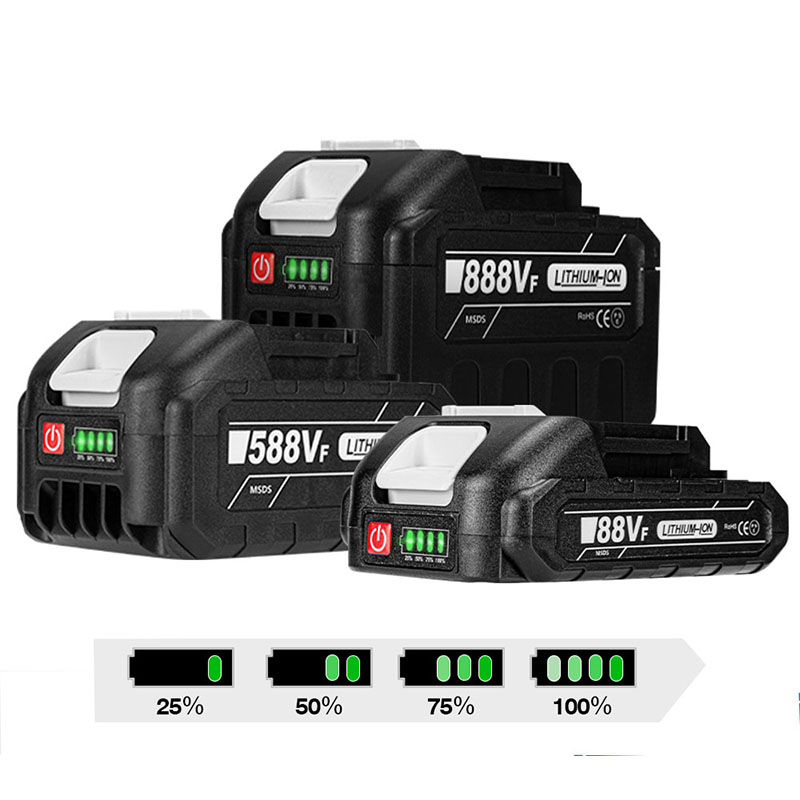
For example, when choosing, I paid attention to the weight of the gun, ease of grip and the presence of a battery charge indicator. These little things ended up playing an important role in my work.
Applications for the powerful cordless rivet gun
The cordless rivet gun is used in a wide variety of areas:
- Automotive industry:Assembly of bodies, trims, interiors.
- Furniture production:Assembly of frames, parts, decorative elements.
- Construction:Installation of fences, frames, decorative elements.
- Production of plastic products:Assembly of cases, parts, structures.
- Repair and maintenance:Repair of cars, equipment, furniture.
- Agriculture:Repair of agricultural machinery, construction of greenhouses.
If you work in one of these areas, a cordless rivet gun can make your job much easier and faster. It will allow you to work faster, more efficiently and more comfortably.
Safety when using a cordless rivet gun
As with any tool, when usingpowerful cordless rivet gunsafety rules must be followed. Here are a few main ones:
- Use safety glassesto protect your eyes from flying rivets.
- Do not point the gun at yourself or other people.
- Do not set the rivets too tightly.This may damage the material.
- Check the condition of the gun and battery regularly.
- Keep the gun out of the reach of children.
<